Hard water is simply water carrying dissolved calcium and magnesium. It is not a health risk, but it is an expensive nuisance: it scales boilers and geysers, blocks shower heads, spoils laundry and increases soap and detergent consumption.
Signs that you have hard water
- White or yellowish scale on taps, kettles and heating elements
- Soap does not lather easily and clothes feel stiff after washing
- Boilers and cooling towers need frequent cleaning for scale
- Skin and hair feel dry after bathing
How a water softener works
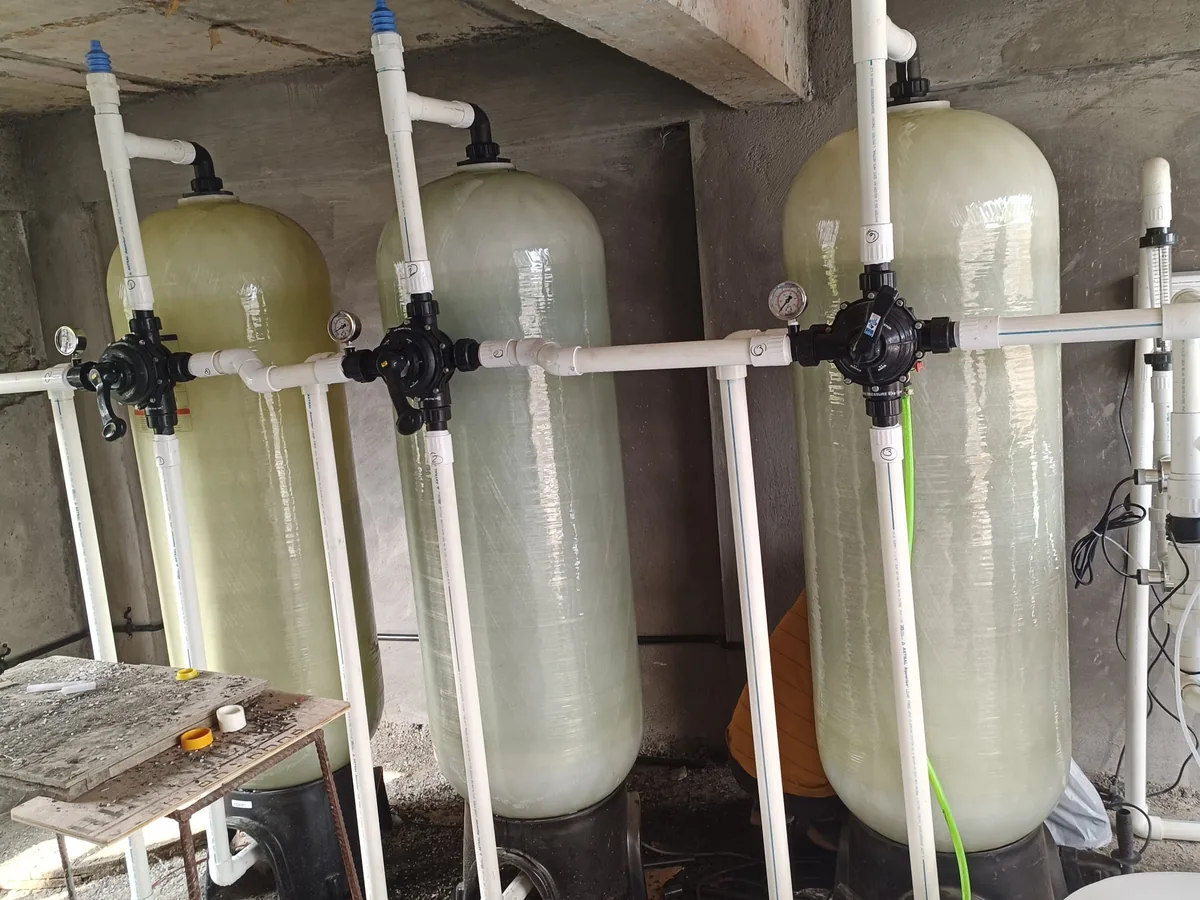
A softener is a pressure vessel filled with ion-exchange resin. As hard water passes through, the resin swaps calcium and magnesium ions for sodium ions. When the resin is exhausted, it is automatically regenerated with a salt (brine) solution and is ready again.
- Single-vessel softeners suit intermittent use
- Twin-vessel units provide soft water continuously, ideal for hotels and industry
- Regeneration can be timer-based or based on the actual volume of water treated
Softener or RO? How to choose
The two systems solve different problems:
- A water softener removes hardness only, keeping the beneficial minerals. It is the right choice for boiler feed, laundry, cooling towers and general process water
- RO removes dissolved salts more completely and is the right choice for drinking water or where low conductivity water is required
- Many plants use both: softener or RO for the specific stream that needs it, or RO followed by a polishing softener for maximum protection
How to size a softener
Sizing depends on the water hardness, daily consumption and peak flow. Tell us your hardness value (from your water analysis), the number of people or the litres used per day, and whether the supply is continuous, and we will recommend the right vessel size and control system.