Reverse Osmosis (RO) is one of the most effective ways to reduce dissolved impurities in water. While a simple filter removes suspended dirt, RO removes dissolved salts, hardness minerals, heavy metals and many chemical contaminants at the molecular level.
How the RO process works
In an RO plant, feed water is pushed under pressure through a semi-permeable membrane. The membrane allows water molecules to pass but rejects most dissolved salts and impurities. The result is two streams:
- Permeate, the purified water you use
- Reject or concentrate, the brine carrying the removed salts
Because water must be pushed through the membrane, every RO plant needs a high-pressure pump. The operating pressure depends on the feed water salinity and the membrane type.
Why pretreatment matters
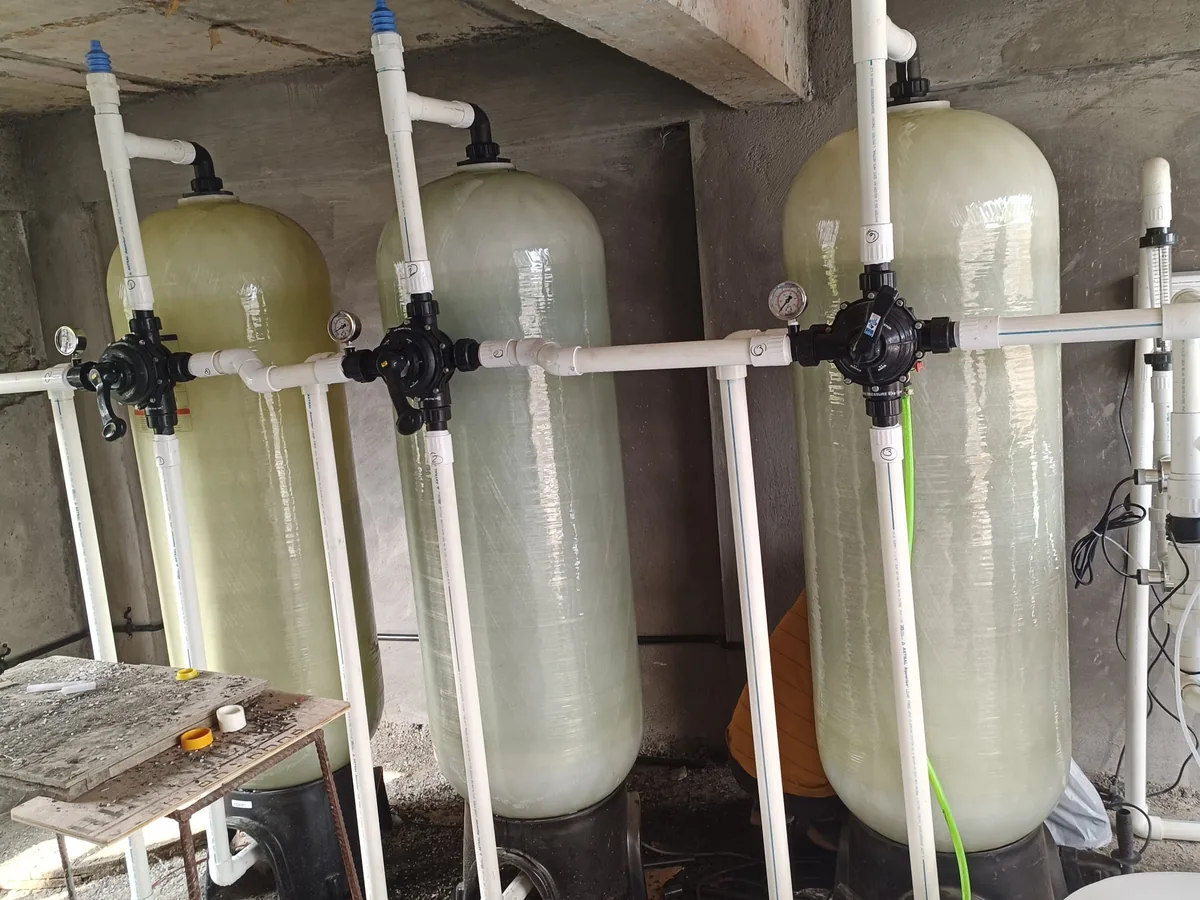
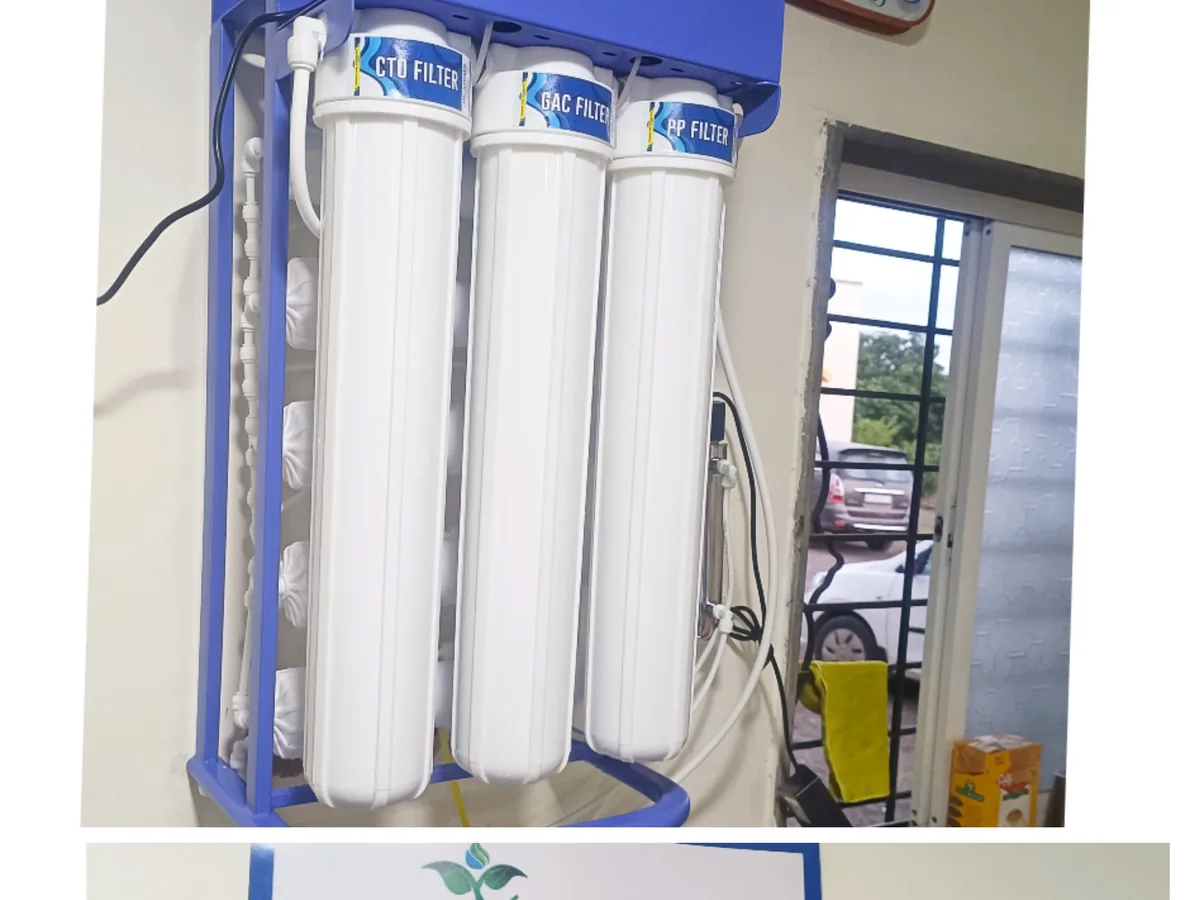
Membranes are delicate and expensive. Before water reaches the membrane it should pass through multimedia and carbon filtration and a micron cartridge guard, with antiscalant dosing where the feed is hard. Good pretreatment means:
- Longer membrane life and lower replacement cost
- Stable water quality through the year
- Less frequent cleaning and fewer breakdowns
Where RO plants are used
We supply RO systems from small commercial units (100 LPH) to large industrial plants. Common uses are:
- Drinking and canteen water for factories, offices, schools and hospitals
- Process water for food and beverage production
- Boiler feed and cooling makeup where low conductivity is required
- Feed water for DM plants, where RO reduces the load on ion-exchange resins
What RO removes
RO membranes reject most dissolved salts, hardness, heavy metals like lead and arsenic, and many organic contaminants. They do not remove dissolved gases such as carbon dioxide; where very high purity is needed, a DM or polishing stage is added after RO.
Choosing the right RO plant starts with your feed water quality and daily requirement. Share those details and we will recommend the correct capacity, pretreatment and membrane configuration.