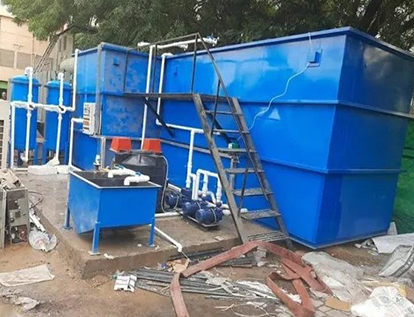
Sewage from bathrooms, kitchens and washing contains organic matter, suspended solids and microorganisms. If released untreated it creates odour, breeds mosquitoes and pollutes groundwater. A Sewage Treatment Plant (STP) treats this wastewater on site so it can be safely discharged or reused.
Why societies and industries need an STP
- Local and state pollution control requirements now expect on-site treatment for large societies and industries
- Water scarcity makes reuse attractive: treated water can irrigate gardens, flush toilets and recharge groundwater
- Untreated sewage near residential and industrial areas is a health and compliance risk
How a compact STP works
Modern compact STPs are built around biological treatment, most commonly the MBBR (Moving Bed Biofilm Reactor) process:
- Screening and an equalisation tank even out the flow and solids load
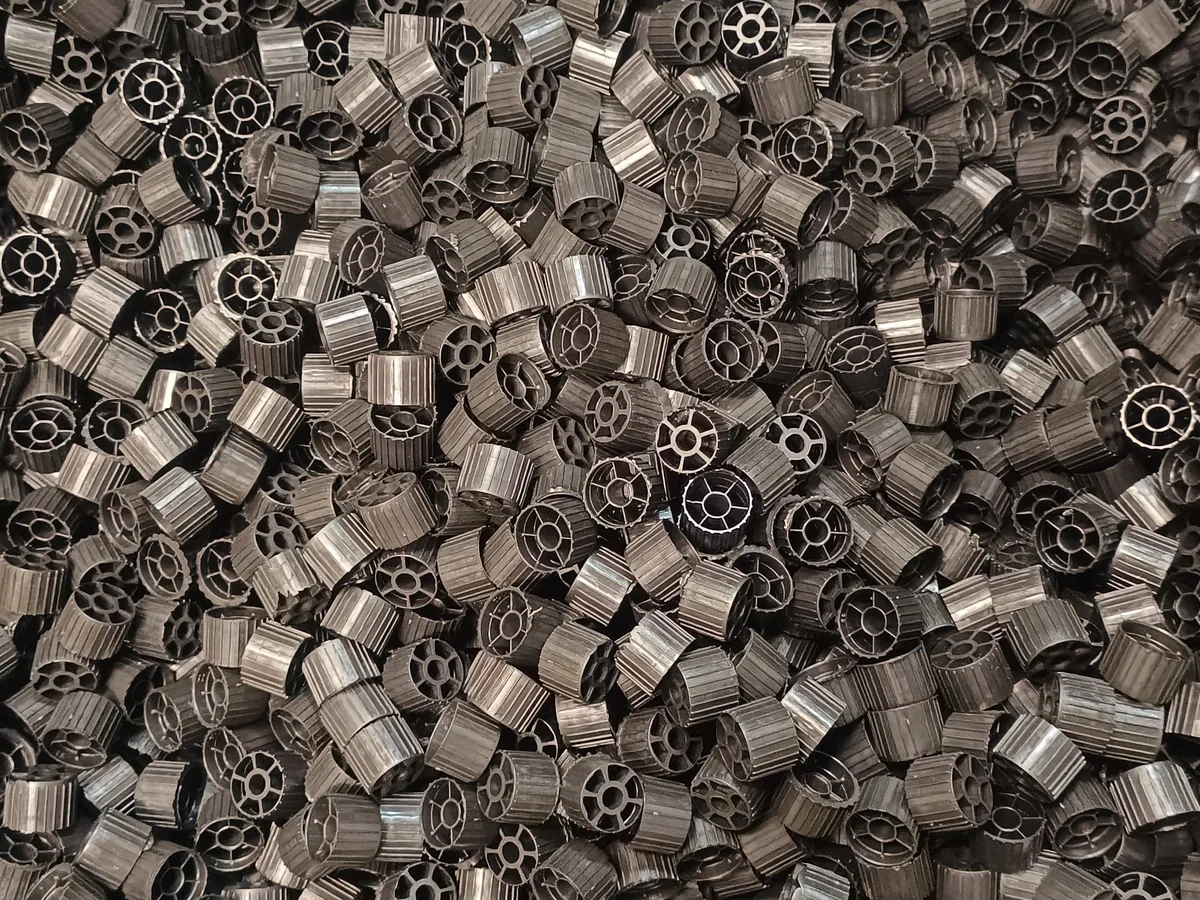
- The MBBR tank uses plastic media and air blowers to grow bacteria that digest the organic matter
- Settling separates the treated water from the biomass
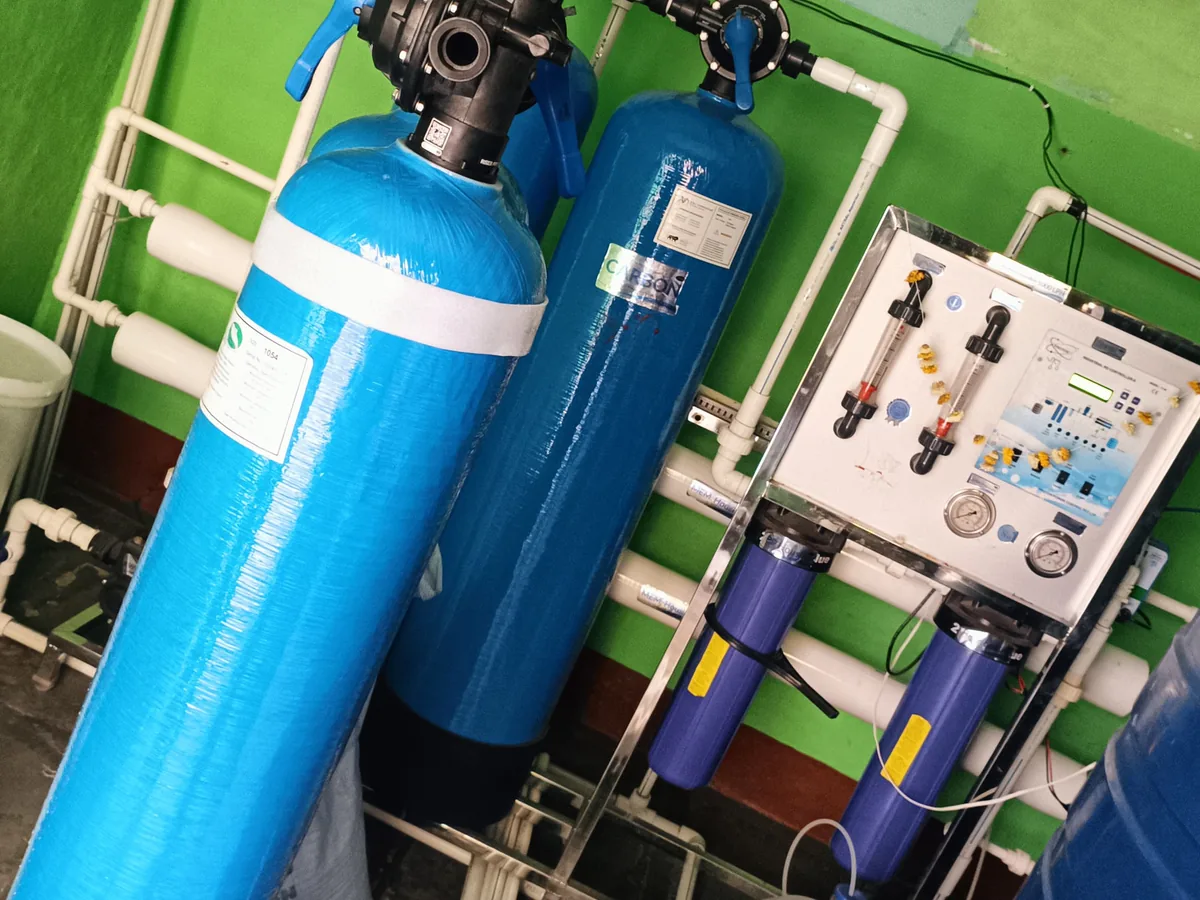
- Polishing and disinfection make the water safe for reuse or discharge
What to check before buying an STP
Every STP enquiry should start with a few practical questions:
- How many people or flats will the plant serve, and what is the expected daily flow?
- Will the treated water be reused for gardening and flushing, or discharged?
- How much space is available, and is the site accessible for aeration equipment and desludging?
- Who will operate the plant, and what is the expected power and chemical cost?
Operating a plant well matters more than the technology
An STP is a living system. It needs regular aeration checks, occasional sludge removal and simple operator attention. A plant with an AMC and trained operators will meet its water quality goals consistently; a neglected plant will not, whatever technology it uses.
Tell us your occupant count, reuse goal and available space, and we will recommend a suitable MBBR-based STP with a clear operating cost picture.